About us
Rethinking our relationship with funerary objects and, in doing so, with grief.
An urn carries the memory of a person,
their story, their essence.
It all begins with an observation. Some objects have the power to tell a story and to keep a presence alive: a childhood teddy bear, a cup handed down from generation to generation. We keep them close, we show them, we love them. Yet the objects that accompany grief are often designed to be hidden away, stored out of sight, kept apart from everyday life.
Cesurnes was born of the wish to do things differently. Of the belief that an urn can be beautiful, sensitive and timeless, worthy of what it holds. An object that does not hide loss but welcomes it, and naturally finds its place among the living.
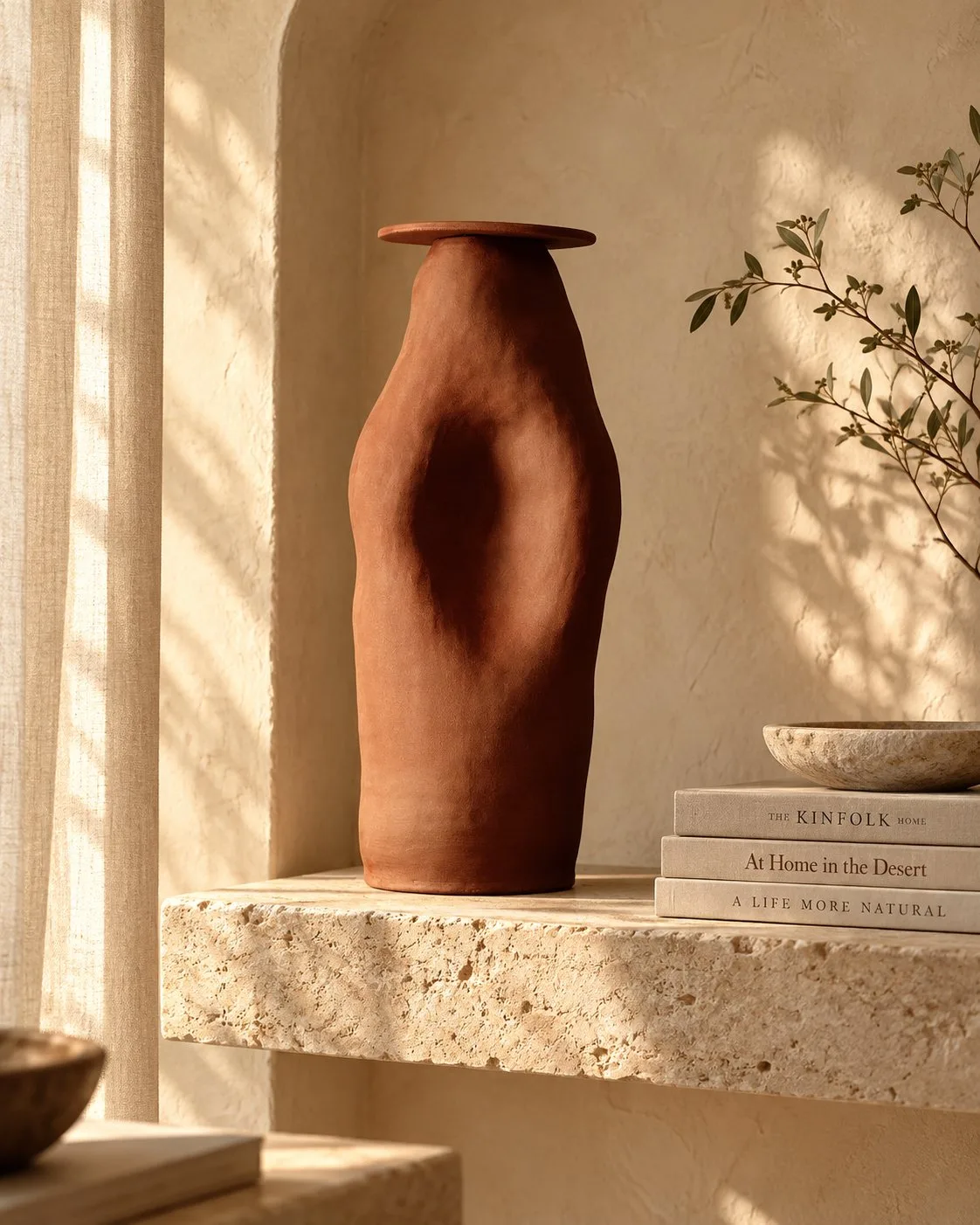
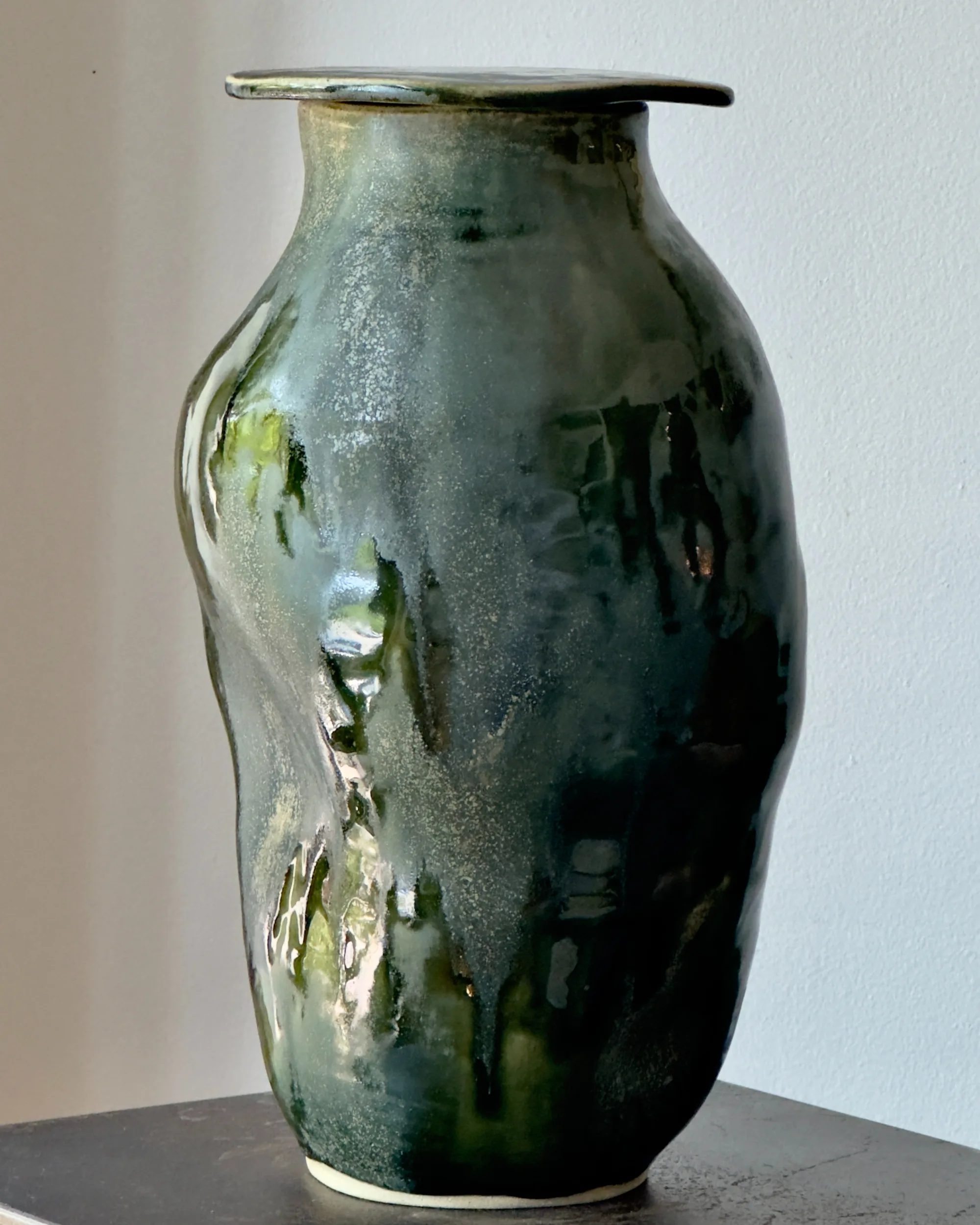
The urn as sculpture
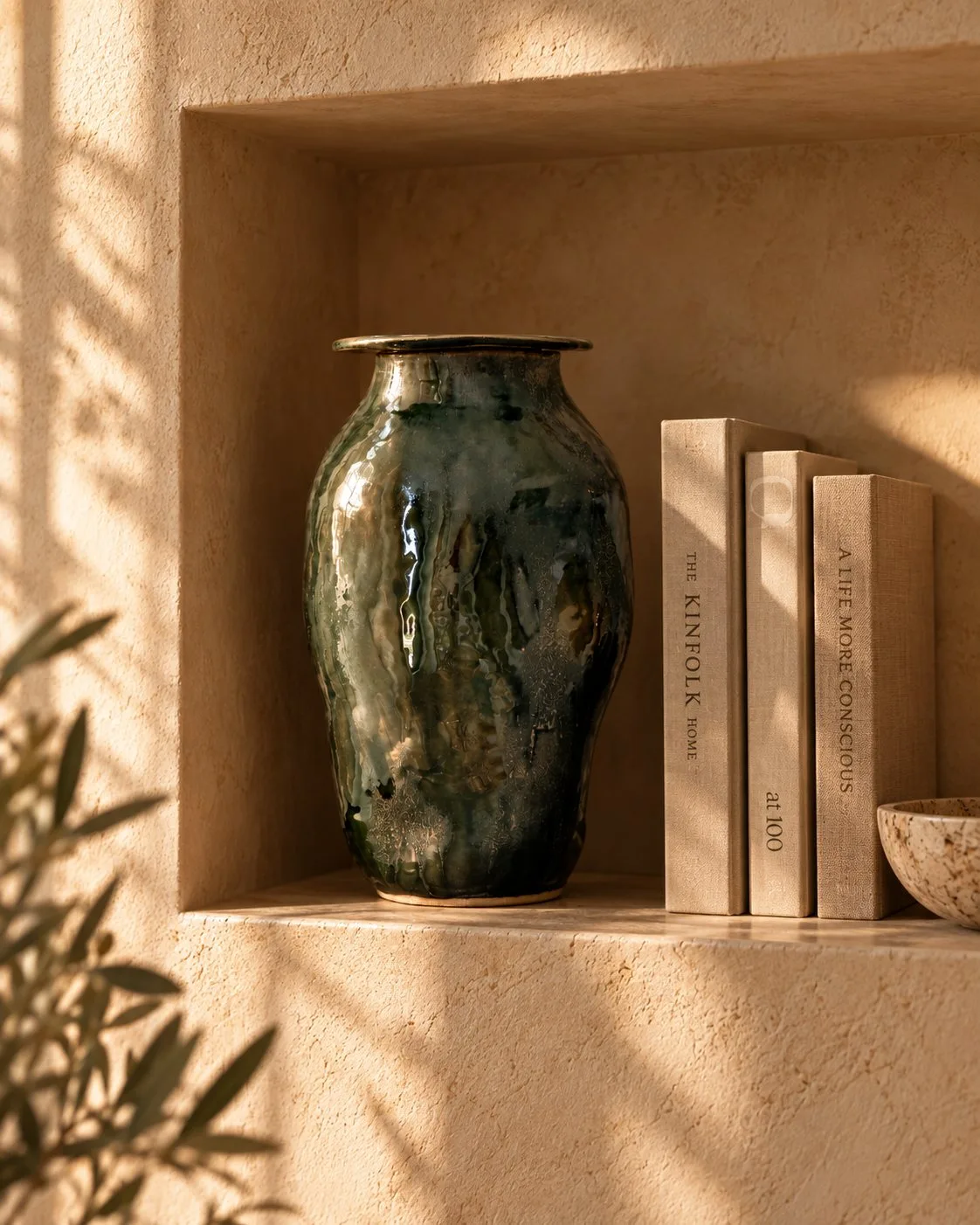
Cesurnes was born in Montreal, in the studio of Valérie Patenaude, from a simple desire: to give the urn the same attention as a work of art.
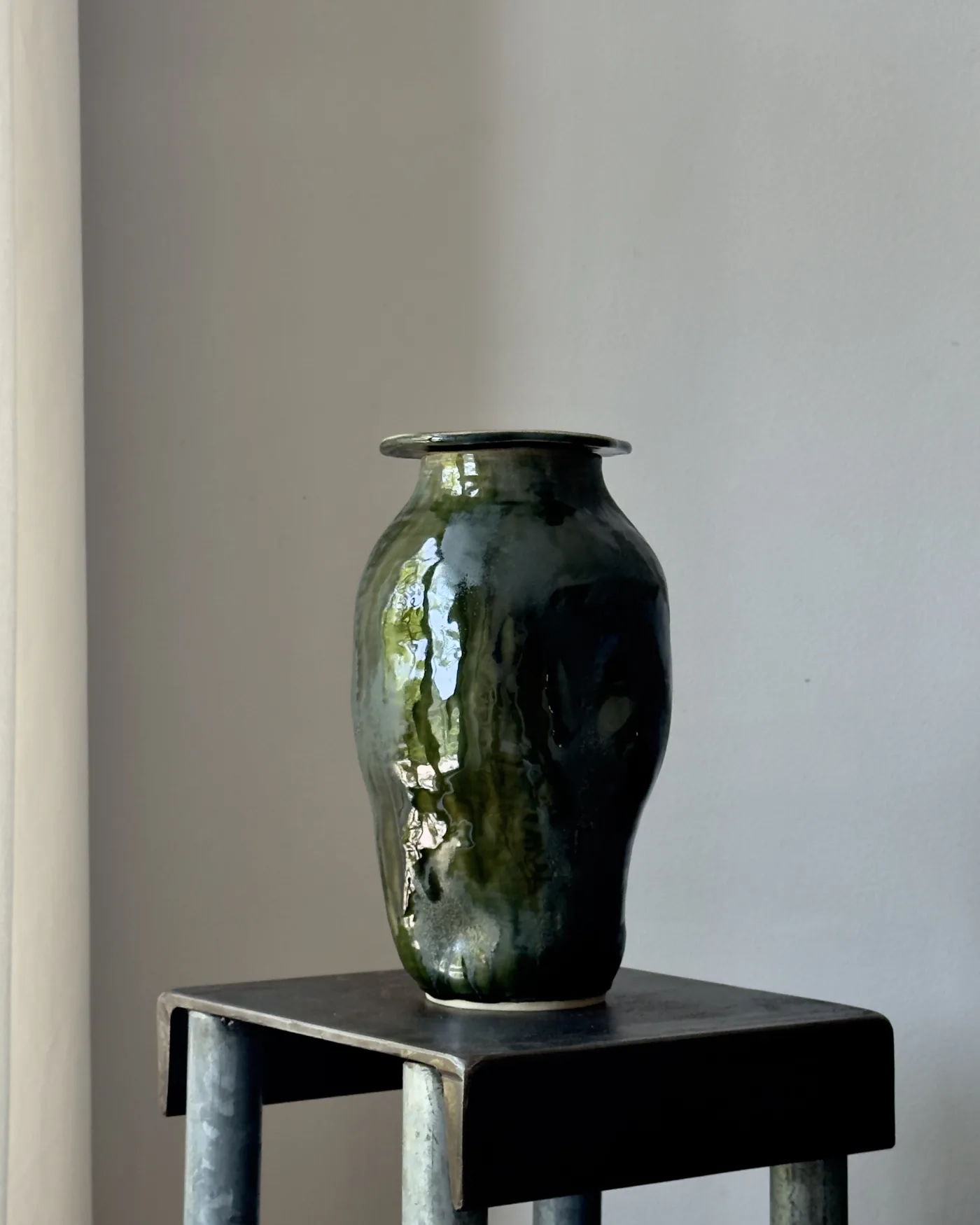
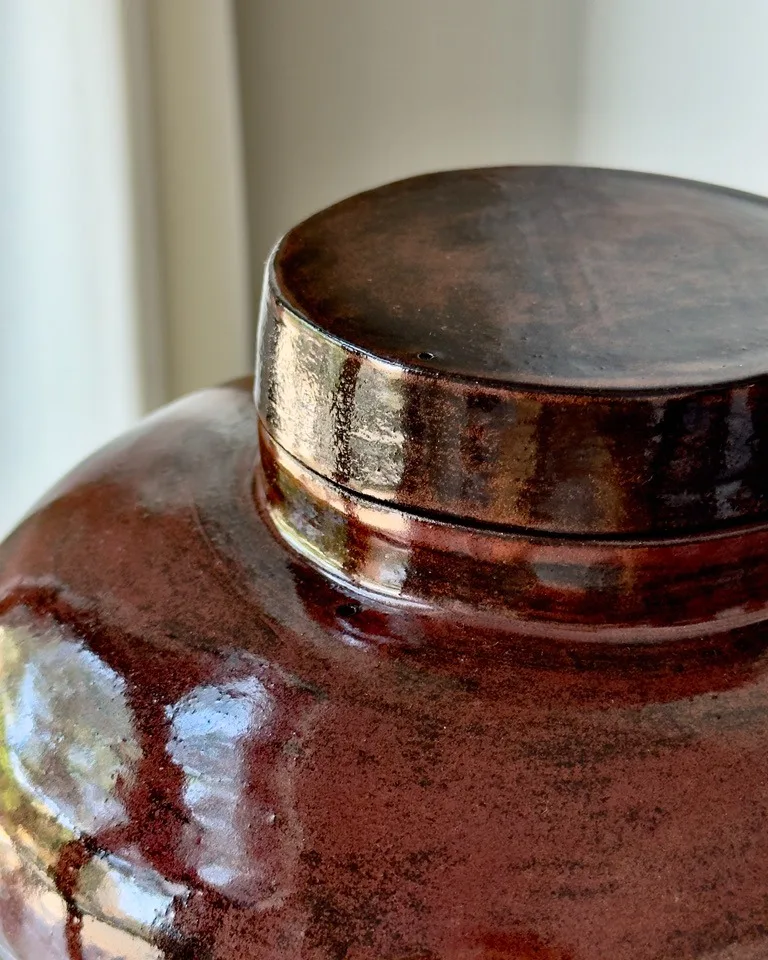
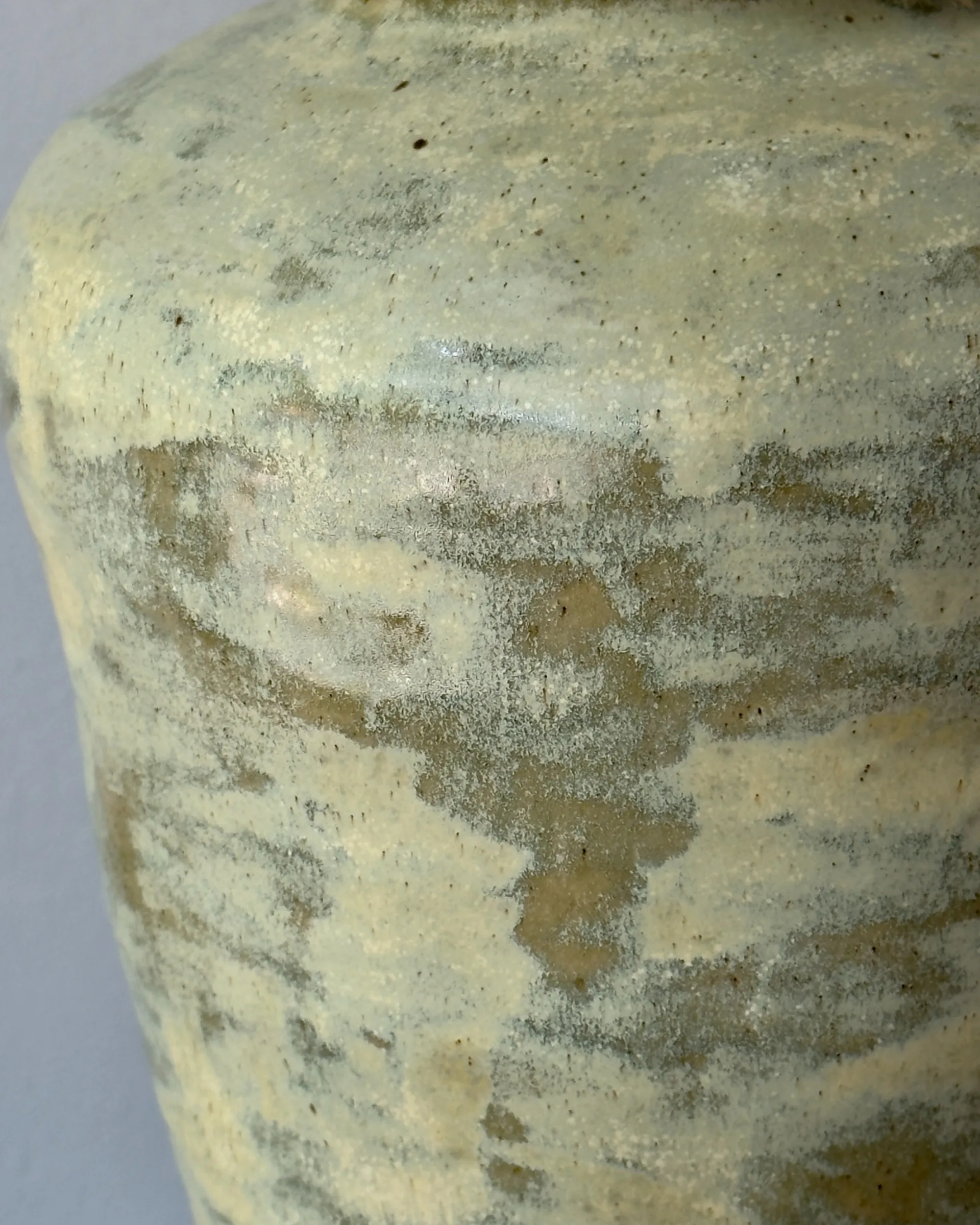
Each piece is handcrafted using durable materials and considered down to the smallest detail: the curve of a shoulder, the grain of a surface, the way light settles upon it. Far removed from traditional funeral aesthetics, each urn finds its natural place in contemporary homes.
The material holds the memory of the maker's hand. Cracks, variations in glaze and traces left by the fire tell stories of time and transformation. Like life itself, no two pieces are ever quite alike.
They invite a slower gaze, much like a sculpture. Gradually, the urn becomes more than a simple vessel. It becomes a quiet presence, a place for reflection and remembrance.
- Ceramic
- Wood
Memento Mori
Losing someone, and learning to find them again.
Remember
to love
Memento mori invites us to see life in all its fragility and beauty. To welcome the passing of time is to learn to cherish every moment, every bond, every presence. To remember is to go on loving.
The hand behind the pieces
In my studio, nothing is rushed. There is the making, then the firing, then the waiting. And in that waiting, something transforms.
I deliberately leave the marks behind, sometimes even accentuating them: an irregularity, an imprint, a glaze that runs a little further in one place than another. These are not flaws. They are proof that a hand was here, that a moment was lived. Every firing still holds surprises. No two urns are ever alike.
When I shape a piece, I think of those who will receive it. I want to offer them a place for memory: an object they feel comfortable looking at, touching, keeping close. Something beautiful that does not conceal absence, but carries it with dignity.
Valérie Patenaude Founder